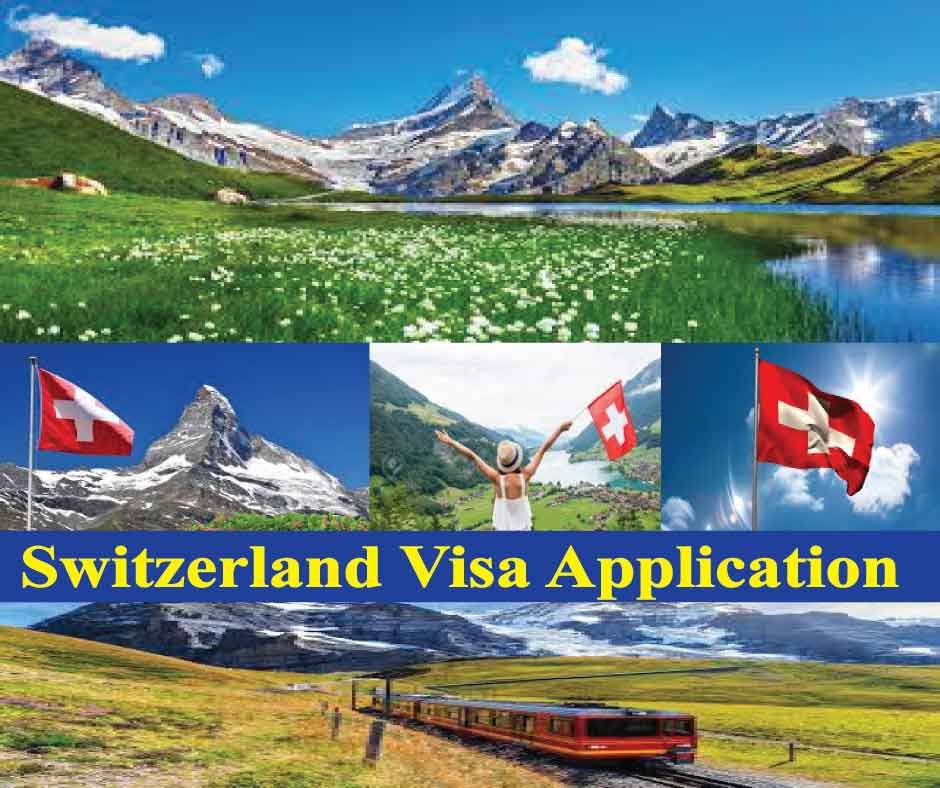

Agriculture, farming, and seasonal labor are critical to Switzerland’s economy—yet many regions experience local labor shortages during peak periods. Foreign nationals interested in agricultural work often struggle to navigate Switzerland’s complex immigration and work permit rules. Meanwhile, ambitious individuals seeking government job opportunity in Switzerland may also wonder whether public-sector roles in agriculture can ease the entry process.
The Switzerland Work Permit Process provides a structured route by which non-Swiss nationals can legally enter Switzerland, work in agriculture (or other sectors), and potentially transition to more stable roles—including government or quasi-government roles in agricultural administration. In other words, understanding Switzerland’s visa and permit system can transform a labor opportunity in Swiss farming into a stepping stone toward longer-term employment—including public-sector roles.
In this article, you’ll get a comprehensive, actionable guide to Switzerland’s agriculture work visas, how they intersect (or diverge) from other work permits, and how to position yourself for government job opportunity in Switzerland down the line.
What Is a Switzerland Agriculture Work Visa?
Definitions & Legal Framework
-
Switzerland Work Permit / Visa (Type D / National Visa)
To stay in Switzerland for more than 90 days for employment, foreign nationals generally require a national (Type D) visa plus a Swiss work permit. Federal Foreign Affairs+2InterNations+2 -
Seasonal / Short-Term Agricultural Permit
For agricultural work (e.g. farming, harvesting, dairy, viticulture) that lasts only a few months, Switzerland issues seasonal or short-term permits (often under D visa + permit or via cantonal seasonal permit). legalexpat.ch+2Foreign Chatra+2 -
Permit L & Permit B
-
Permit L is for shorter-term contracts (e.g. 3 to 12 months) and is tied to a specific employer. InterNations+3globalization-partners.com+3Playroll+3
-
Permit B is for longer-term employment (often more than one year, renewable) with more rights and some flexibility. globalization-partners.com+2Playroll+2
-
Switzerland’s immigration rules are governed by the Foreign Nationals and Integration Act (FNIA), which provides the legal basis for permits, quotas, and integration requirements. Wikipedia
Why Agriculture Work Visas Are Distinct
-
Agriculture roles are often seasonal and cyclical, so Swiss law allows short-term permits tailored to the harvest cycle. legalexpat.ch+1
-
Employers in rural cantons may have more latitude when sponsoring seasonal workers, provided they meet regional rules and quotas. Playroll+2Foreign Chatra+2
-
The threshold for “highly qualified” status is often ≤ for pure farming roles, but non-EU nationals still face stricter scrutiny and must fit into quota systems. Deloitte+4sem.admin.ch+4Playroll+4
Benefits of a Switzerland Agriculture Work Visa (And Path to Government Jobs)
Key Advantages for Agricultural Workers
-
Legal Right to Work and Residence
The permit prevents you from operating informally and gives legal standing. -
Access to Swiss Labor Protections & Wages
Even seasonal workers are subject to minimum standards, social insurance, and local labor laws. Foreign Chatra+2Playroll+2 -
Cultural & Language Immersion
Working in Swiss cantons gives you regional language exposure (German, French, Italian), which can help for long-term integration. -
Possible Extension or Transition
In some cases, workers can extend short-term roles or transition to longer permits (Permit B) if conditions are met. legalexpat.ch+2Pebl+2 -
Launching a Career or Public-Sector Entry
A history of legal work can strengthen credentials if you later pursue a government job opportunity in Switzerland (e.g. in cantonal agricultural services, rural planning agencies, or rural development).
Government Job Opportunity in Switzerland: Why It Matters
-
Swiss cantons and federal agencies do employ agricultural specialists (e.g. for environmental policy, agricultural extension, land use planning).
-
Having Swiss work permit history, local language skills, and sector experience can make you more competitive for government roles.
-
Government positions often demand Swiss or EU citizenship (especially for higher security or policy roles), so your visa time may precede naturalization or permanent status.
Applying for Switzerland Agriculture Work Visa
Here’s a structured process (H2) with detailed substeps (H3):
Secure an Employer or Agricultural Position
-
Before you apply, you need a Swiss employer (farm, winery, dairy, or agribusiness) willing to sponsor you.
-
The employer must demonstrate that no suitable Swiss or EU/EFTA candidate is available (labor market test). sem.admin.ch+2Playroll+2
-
Confirm duration, wages, job description, and that the type of work qualifies for seasonal / agricultural permit rules.
Example: Seasonal Harvesting Job in Canton Valais
A vineyard in Valais may require seasonal grape-picking staff from August to October. They post a job, interview, and commit to sponsoring a short-term permit.
Employer Submits Work Permit Application to Cantonal Authorities
-
The employer files an application with the cantonal labor and immigration office.
-
It is forwarded (if approved) to the State Secretariat for Migration (SEM) for federal clearance. Pebl+2Playroll+2
-
The permit request must fit within the quota allocations for non-EU/EFTA nationals. For 2025, Switzerland limits about 8,500 foreign skilled worker quotas (split between L and B permits). Deloitte+1
What Documents Employer Provides
-
Job contract and salary offer
-
Description of the role
-
Proof of recruitment efforts among Swiss/EU candidates
-
Technical justification (if special skills needed)
You Apply for the Visa at Swiss Embassy / Consulate
-
If you are outside Switzerland, submit the national (Type D) visa application at your local Swiss embassy/consulate. Federal Foreign Affairs+2Federal Foreign Affairs+2
-
Provide personal documents: passport, proof of employment, clean record, CV, language certificates, medical insurance, photos.
-
Attend biometric/visa interview if required. Federal Foreign Affairs+1
Duration & Processing
-
Seasonal visas often cover 3 to 9 months (depending on arrangement). Foreign Chatra+2Foreign Chatra+2
-
Standard processing takes 2 to 12 weeks, depending on canton and complexity. Pebl+2globalization-partners.com+2
Arrival, Registration & Obtaining Residence Permit
-
After arriving, you must register in the local commune (municipality) within the first 14 days (for many cantons) and present your permit documents. sem.admin.ch+2ch.ch+2
-
Then you receive the residence permit card (L or B) in your physical hand.
-
Start work only after permit is activated.
Extensions, Renewal, or Transition
-
If you have short-term (L) permit, you may extend it if conditions and laws permit. legalexpat.ch+1
-
To transition to Permit B (longer term), you typically need at least a 12-month contract and meet integration/language criteria. globalization-partners.com+2InterNations+2
-
As you build work history, you might become eligible for roles with higher stability—including government job opportunity in Switzerland.
Expert Insights & Practical Use Cases
Expert Commentary & Strategic Advice
-
Quota Strategy: Non-EU applications are limited by federal quotas. Applying early (start of year) improves chances before quotas are exhausted. EP Advisory+2Deloitte+2
-
Language Advantage: Even basic proficiency (A1) in the canton’s language (e.g. German in Zurich, French in Geneva) strengthens your application. InterNations+1
-
Sector Prioritization: Target rural cantons or agrarian sectors facing labor shortages—these may have more flexibility.
-
Using Internships: Short-term agricultural internship programs (through agencies) can help you gain local experience and entry-level access. International Internship Network+1
World Use Cases
-
Case 1: Vineyard Worker in Valais
Hannah from Poland secures a 6-month grape-picking job in Valais with a permit L, then extends into a 12-month B contract due to strong performance and language course participation. -
Case 2: Dairy Seasonal Helper in Graubünden
Ahmed from Pakistan works in dairy for 4 months under a seasonal permit, demonstrates capability and local integration, and later transitions to a permanent role in a dairy co-op’s administrative unit. -
Case 3: Transition to Canton Agricultural Office Role
Maria, originally from Brazil, works three seasons in organic farms. She uses Swiss work history, language skills, and network to apply for a junior position in a cantonal agriculture agency — thus entering a government job opportunity in Switzerland.
Actionable Tips & Best Practices
-
Start your job search at least 6 months in advance of the agricultural season.
-
Choose cantons with less competition and greater demand.
-
Partner with Swiss recruitment agencies or agricultural exchanges (look for farming work placements).
-
Maintain excellent work records, attend language classes, and engage in local community to boost chances of permit extension or transition.
-
For those aiming for government roles later, volunteer or intern with local agricultural offices or NGOs.
-
Monitor Swiss permit quotas each year (for example, 2025 quotas: ~8,500 total quotas for non-EU workers). en_US+1
FAQs (Frequently Asked Questions)
| Question | Answer |
|---|---|
| Can non-EU nationals apply for agriculture visas easily? | Yes, but must pass employer sponsorship, quota limits, and labor market test. sem.admin.ch+1 |
| How long can seasonal agricultural permits last? | Typically 3 to 9 months depending on contract. Foreign Chatra+1 |
| Can I change cantons or employers under permit L? | Usually no; permits are tied to employer and canton unless specifically allowed under cantonal rules. |
| Is Swiss citizenship required for government roles? | Many senior public-sector roles require Swiss or EU citizenship; for junior or contract roles, foreign nationals with long-term residence may qualify. |
| What if quotas are full? | You may need to wait for the next quota cycle or explore alternative routes (internship, researcher status, intra-company transfer). |
| Can I apply on tourist visa? | No — your entry must align with the purpose of work; converting from tourist to work status is generally not allowed. InterNations+1 |
Internal Linking / SEO Opportunities
If you have existing content on your site like “How to Apply for Swiss Work Permits,” “Seasonal Farm Work Abroad,” or “Government Jobs in Europe,” you can internally link to this article to strengthen SEO relevance. For example:
-
Link your “Swiss Work Permit Guide” to Switzerland Work Permit Process
-
On pages about foreign agriculture jobs, link to Switzerland Agriculture Work Visa
-
On pages about public-sector jobs abroad, link to Government Job Opportunity in Switzerland
Official Sources & Application Links
-
State Secretariat for Migration (SEM) – official Swiss immigration authority: sem.admin.ch sem.admin.ch+2Wikipedia+2
-
Swiss visa and entry information (for national visa and visa requirements): eda.admin.ch Federal Foreign Affairs+1
-
Cantonal work permit application (example: Zurich): Zürich allows permit submission via its portal ZHservices (Zürikonto) Kanton Zürich
-
Legal Expat on Seasonal Permits: practical rules and procedures legalexpat.ch
-
Visa Guide – Switzerland Work Visa: comprehensive visa/permit explanation VisaGuide World